
Late updated: 28 Dec 2025 11:12
Written by:
Understanding The Benefits Of Flexible Learning Spaces: Enhancing Educational Environments
Flexible learning spaces are transforming our approach to education by offering an adaptable environment that caters to various teaching methods and student needs. As traditional classrooms often struggle to meet the diverse requirements of today's learners, these innovative spaces are gaining popularity. Flexible learning spaces provide the ability to teach and learn in creative ways by incorporating moveable furniture, adaptable teaching strategies, and technology-driven designs. This approach fosters collaboration, engagement, and inclusivity, enabling students to make decisions about their learning process.
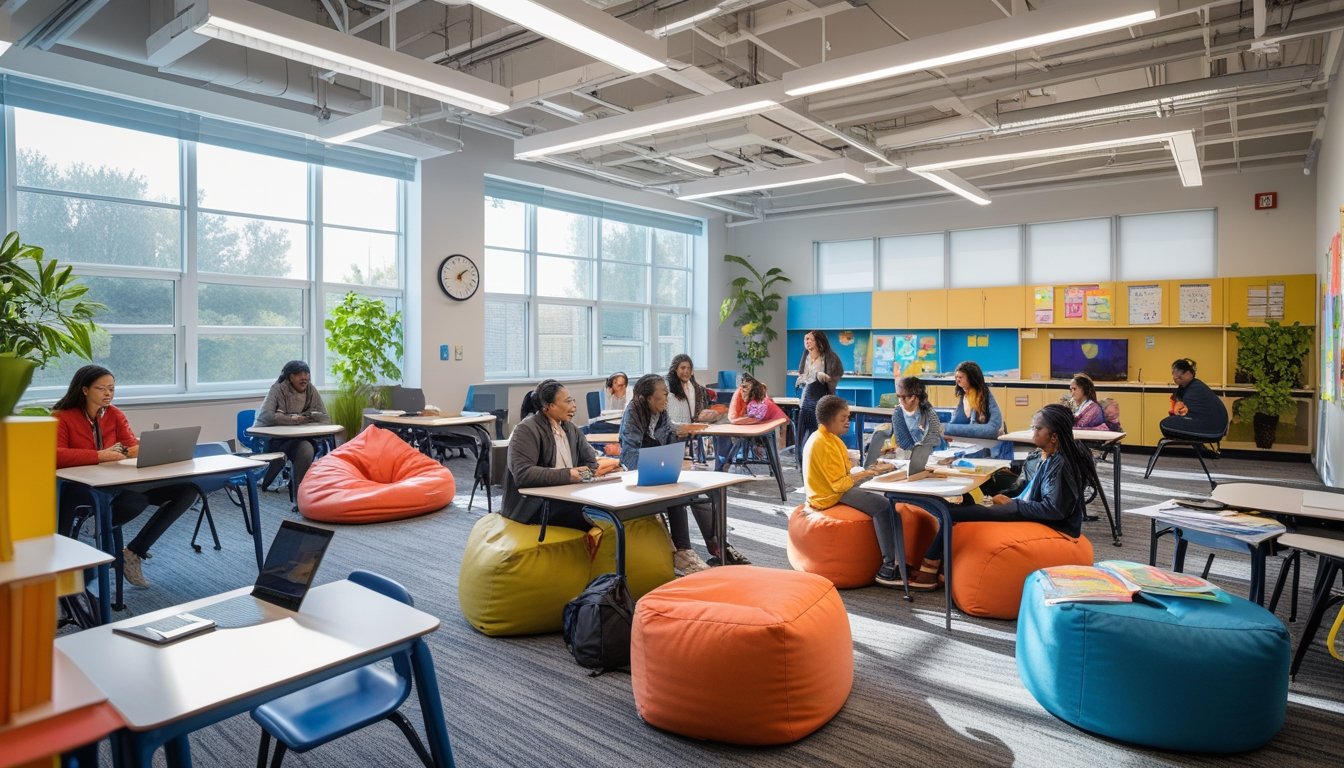
The concept of flexible learning spaces is not just about changing the physical environment but also about revolutionising pedagogy. By allowing students to choose how they learn best, these spaces enhance creativity and provide a personalised learning journey. Whether it's through hybrid settings or fully online platforms, we see how thoughtful design can support diverse educational needs and promote student success.
Moreover, flexible learning environments play a crucial role in shaping the future of education. With the ability to seamlessly integrate technological tools, these spaces ensure that both in-person and online learners can thrive. As we embrace these changes, the focus remains on creating environments that inspire active learning and foster a supportive community for all students.
Key Takeaways
- Flexible learning spaces adapt to various teaching and student needs.
- They promote creativity and personalised learning journeys.
- Technological integration supports both in-person and online education.
Defining Flexible Learning Spaces
Flexible learning spaces are an evolution in educational environments, designed to shift away from traditional, static classroom settings. These spaces are meant to fulfil diverse learning needs and pedagogies through adaptable environments and resources. Key characteristics, design elements, and furniture choices play pivotal roles in this transformation.
Key Characteristics of Flexible Learning Environments
Flexible learning environments encourage adaptability and foster a variety of teaching and learning styles. They are structured to accommodate different modes of interaction, such as individual study, group work, and whole-class discussions. The primary focus is on creating spaces that support student-centred learning and active engagement.
Our approach emphasises diversity in teaching methodologies and classroom configurations. This flexibility allows educators to implement a range of pedagogical strategies tailored to their students’ needs. Additionally, these environments often incorporate technology seamlessly, offering tools such as whiteboards and charging stations to enhance learning experiences. The adaptability extends beyond physical structure to encompass diverse curricula requirements.
Flexible Classroom Design Elements
Designing a flexible classroom requires careful attention to elements that promote a dynamic learning atmosphere. A major focus is on the physical layout, which often includes learning zones that serve different educational purposes. Zones can be designated for quiet study, collaborative projects, or interactive teaching.
Technology integration is crucial; the presence of smart boards and connectivity options is typically included. Lighting and acoustics are also considered to ensure that the environment is conducive to learning. Colour schemes may be chosen to evoke a welcoming and stimulating atmosphere, helping to maintain students’ focus and energy throughout their studies.
Flexible Seating and Movable Furniture
Flexible seating and movable furniture are at the heart of these environments, promoting ease of rearrangement to suit varied activities. Desks, chairs, and tables are often mobile and modular, enabling quick shifts in room layout to accommodate different teaching methods or group sizes.
Such agility in classroom setup supports a responsive learning environment. Bean bags or soft seating create informal areas for discussion, while standing desks provide options for students who prefer or benefit from varied postures. This variety ensures that all learners find a setting that suits their personal learning style, enhancing overall engagement and satisfaction in the classroom.
Benefits of Flexible Learning Spaces
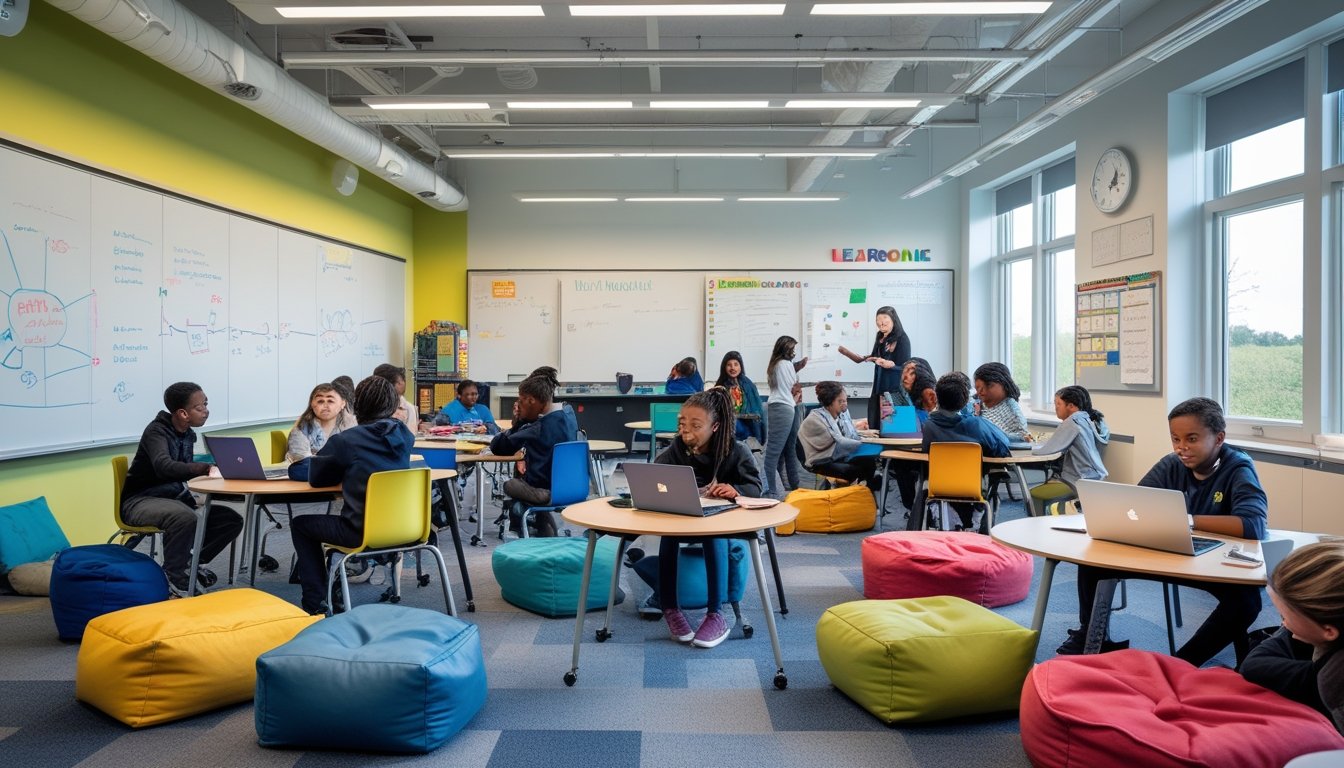
Flexible learning spaces offer numerous advantages, enhancing educational experiences through tailored learning options, and increased student engagement. These spaces foster personalised learning, encourage autonomy, and support diverse learning goals.
Personalised and Differentiated Learning
In flexible learning environments, we can address the unique needs of each student through personalised and differentiated instruction. This approach allows learners to progress at their own pace, catering to varying learning styles and abilities. By incorporating elements of Universal Design for Learning (UDL), flexible spaces provide multiple means of engagement, representation, and expression. Personalised learning plans can be implemented more effectively in these adaptable environments, improving learning outcomes and boosting academic performance. When students have the opportunity to learn in ways that align with their strengths, they are more likely to thrive. This tailored approach not only supports academic success but also builds confidence and motivation.
Student Engagement and Autonomy
Flexible learning spaces play a crucial role in enhancing student engagement and fostering autonomy. By offering a dynamic environment, learners are encouraged to take responsibility for their educational journey. Self-directed learning is promoted as students choose activities and seating arrangements that suit their needs and preferences. This autonomy is pivotal in developing critical thinking and decision-making skills. Additionally, the adaptable nature of these environments supports various student-centred learning approaches, making lessons more interactive and engaging. When students have the freedom to explore and learn independently, there is a noticeable increase in levels of interest and involvement. Engaged students are more likely to retain information and display higher academic achievement.
Support for Project-Based and Collaborative Learning
Flexible learning spaces are ideal for accommodating project-based learning and fostering collaboration among students. Tables and seating can be reconfigured to facilitate group work, encouraging teamwork and communication. In these settings, learners can tackle real-world problems, working together to brainstorm solutions and share knowledge. Such environments support creative exploration and innovative thinking. By participating in collaborative projects, students develop essential skills such as negotiation, leadership, and empathy. These experiences not only enhance academic performance but also prepare students for future professional environments where teamwork is an integral component. Flexible spaces ultimately nurture a collaborative spirit and a deeper understanding of course material.
Promoting Educational Equity and Inclusivity
Educational equity is a fundamental benefit of flexible learning spaces, as they promote inclusivity and accessibility for all students. These environments are designed to meet the diverse needs of learners, regardless of their backgrounds or abilities. Equity in education is addressed by incorporating a variety of teaching methods and materials that cater to different learning styles. We can create an inclusive atmosphere that respects and values diversity, enhancing the sense of belonging among students. Moreover, flexible learning arrangements can extend to remote students, ensuring that everyone has access to quality education. By levelling the playing field, we equip all learners with the tools to succeed, promoting fairness and excellence throughout the educational journey.
Frequently Asked Questions
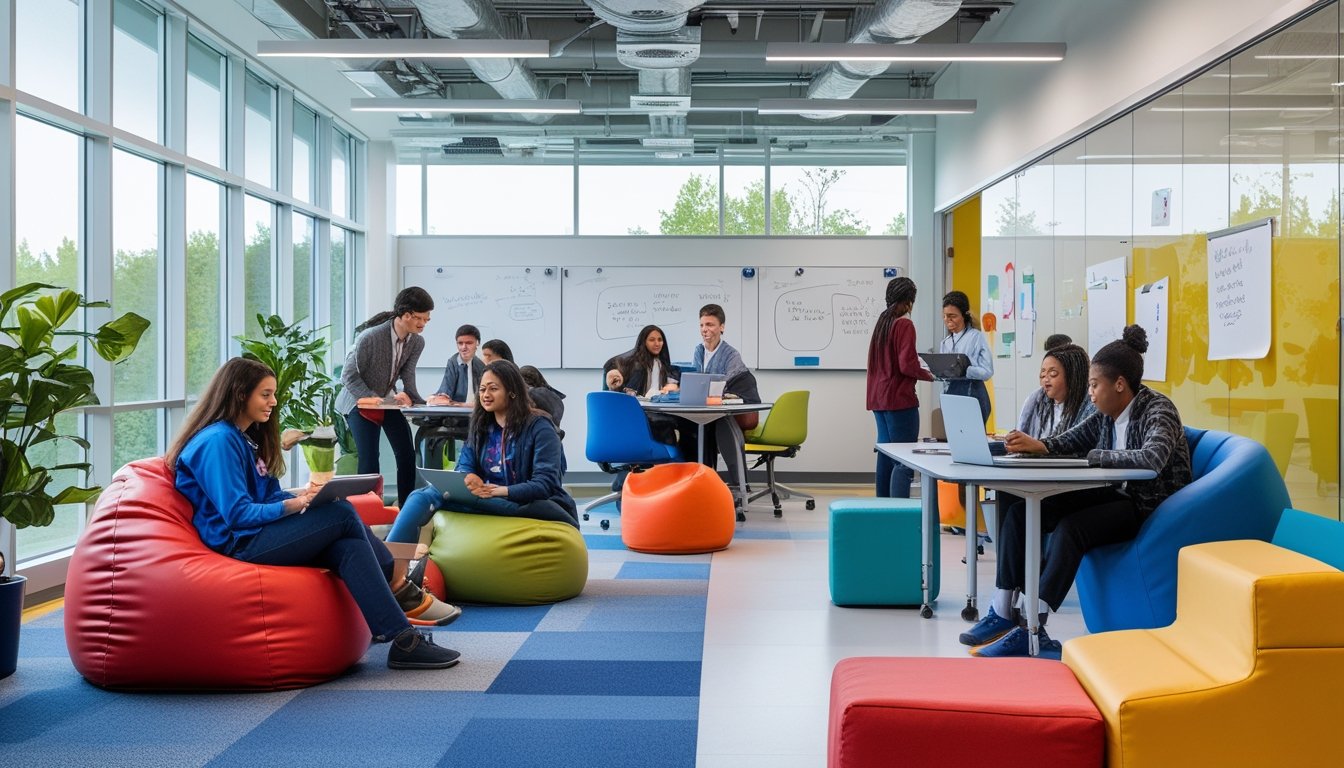
Flexible learning spaces are designed to enhance student engagement and collaboration by accommodating various teaching methodologies. These spaces can significantly impact learning outcomes through thoughtful design and technology integration.
What impact do flexible learning spaces have on student engagement?
Flexible spaces encourage active participation by allowing students to interact with their environment. By facilitating a range of activities, from individual study to collaborative projects, these spaces support diverse learning styles, thus boosting student engagement.
How can flexible learning environments adapt to various teaching methodologies?
The adaptability of flexible learning environments makes them ideal for different teaching approaches. Their design includes movable furniture and technology integration, enabling educators to adjust the layout to suit specific pedagogical needs and enhance teaching effectiveness.
In what ways do flexible learning spaces promote collaboration among students?
These spaces are often designed with collaboration in mind, featuring areas that allow students to work together easily. From shared tables to open spaces for group discussions, flexible environments are structured to foster communication and teamwork among learners.
What are the key considerations when designing a flexible learning space?
Designing a flexible learning space requires careful planning to meet specific educational goals. Key considerations include furniture selection, technology support, and space versatility to accommodate different learning activities and class sizes effectively.
How does the physical layout of a flexible learning space influence learning outcomes?
The physical layout impacts how students interact with both their peers and the material being taught, influencing learning outcomes. Flexibility in layout allows for quick reconfiguration, which can support a wide range of educational activities and improve overall effectiveness.
What role does technology play in enhancing the effectiveness of flexible learning spaces?
Technology is integral to flexible learning spaces, providing tools for interactive and remote learning. From digital whiteboards to connectivity solutions, technology enhances the adaptability and effectiveness of these spaces, making them more responsive to modern educational demands.