
Late updated: 03 Jan 2026 10:01
Written by:
Exploring Modern Parenting Techniques for Enhanced Child Development
Parenting is an ever-evolving journey that presents unique challenges and requires adapting to the needs of our children. Modern parenting techniques have emerged from a blend of traditional knowledge and contemporary research in child development. These new approaches offer us valuable insights into raising well-rounded, emotionally intelligent, and resilient children. Incorporating elements such as emotional connection, understanding, and respect, these methods aim to create nurturing environments that support optimal growth.
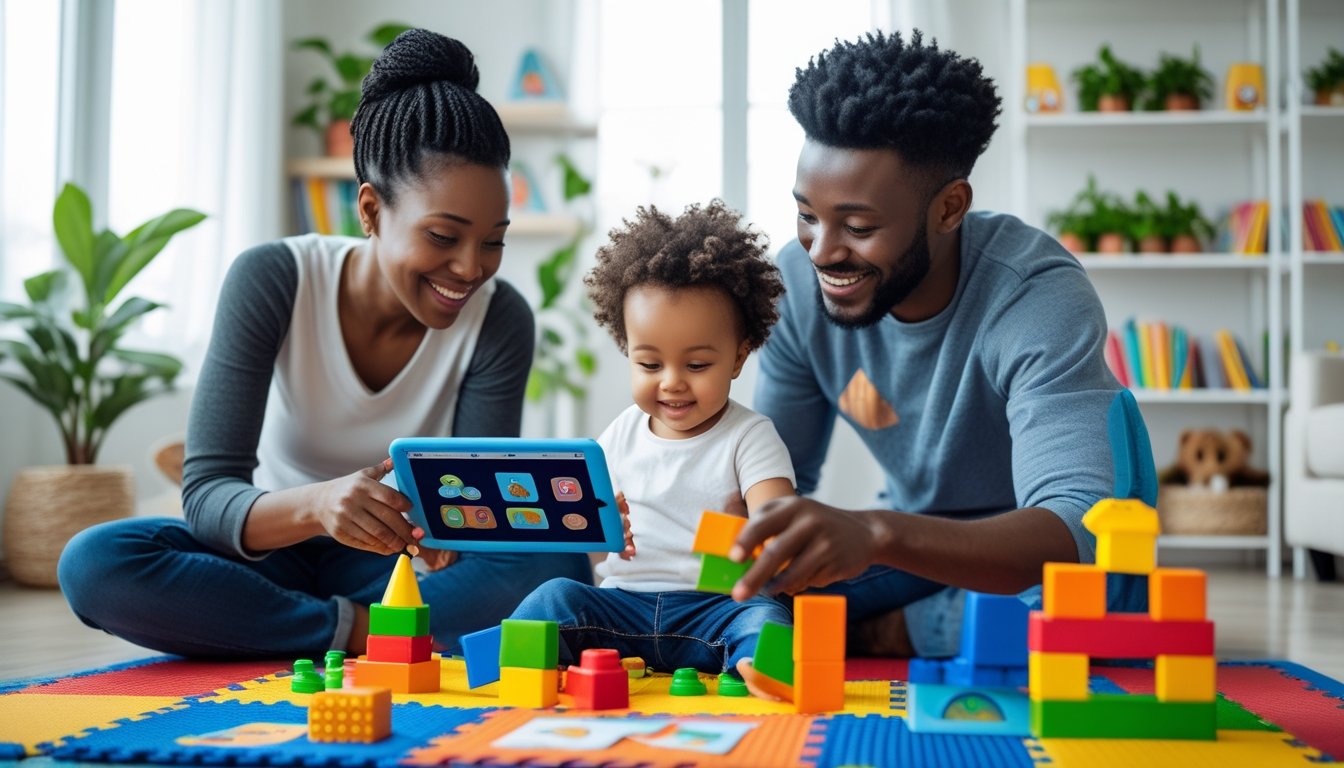
As we navigate the complexities of raising children in today's world, it becomes essential to explore innovative techniques that balance discipline and empathy. Approaches like gentle parenting and conscious parenting focus on building strong relationships that encourage healthy development. By embracing these methods, we can enhance family dynamics and strengthen bonds.
Modern parenting techniques draw upon the latest developmental science to provide evidence-based strategies that support children's cognitive, social, and emotional growth. Our goal is to equip parents with practical tools that enhance both their own experiences and those of their children. With this understanding, we can confidently address the unique needs of our families in an ever-changing landscape.
Key Takeaways
- Modern parenting combines traditional and contemporary techniques.
- Emotional connection and empathy are central to modern methods.
- Evidence-based practices support comprehensive child development.
Core Modern Parenting Techniques That Drive Child Development
In today's rapidly evolving world, modern parenting techniques are pivotal for nurturing child development. Emphasising strong emotional bonds, effective discipline strategies, and clear boundary-setting, these methods foster healthy growth and well-rounded personalities.
Understanding Modern Parenting Styles
Our diverse landscape of modern parenting styles provides numerous avenues for supporting child development. Authoritative parenting stands out as a balanced approach, combining responsiveness with high expectations. Unlike authoritarian parenting, which relies on strict rules and limited warmth, authoritative methods promote independence within a structured environment. Permissive parenting offers warmth and freedom but often lacks the boundaries necessary for healthy child development, while uninvolved or neglectful parenting provides neither guidance nor support, potentially stunting children's growth.
Gentle parenting and attachment parenting focus on emotional connection and insight into a child's needs. These styles encourage close contact and understanding, crucial for developing secure relationships. In contrast, more rigid styles like tiger parenting and helicopter parenting emphasise high achievement and safety, though they might limit autonomy and independence. By exploring these varied styles, we can select techniques aligning best with our child's needs.
Emotional Connection and Secure Attachment
Emotional connection is foundational to child development. Responsive caregiving and emotional availability help form secure attachments, which are vital for a child's emotional and social well-being. Secure attachments encourage children to explore their environment confidently, knowing they have a reliable source of support.
Through attachment parenting, we foster this secure bond by remaining attuned to our children's emotional cues. Such practices encourage empathy, emotional intelligence, and strong parent-child relationships. When children feel emotionally supported, they develop resilience, self-regulation, and a healthier self-esteem. Establishing a robust emotional connection is not about constant proximity, but rather providing reliable attention and understanding. This empowers our children to navigate challenges with confidence and autonomy, enriching their development.
Positive Discipline Approaches
Modern parenting favours positive discipline approaches centred on respect and understanding rather than fear or punishment. Logical consequences and natural consequences are effective tools, teaching children the results of their actions in real-world contexts. Unlike strict discipline, which may rely on harsh measures, positive discipline encourages cooperation and learning.
Positive discipline focuses on communication and problem-solving. By engaging children in discussions about behavioural expectations, we enable them to internalise appropriate conduct. This method reduces the need for authoritarian control, fostering a cooperative familial environment. Encouraging self-control and responsibility, positive discipline promotes a sense of agency and strengthens a child's decision-making skills, which are crucial aspects of their development.
Setting Clear and Healthy Boundaries
Establishing clear and healthy boundaries is crucial in modern parenting. Boundaries provide children with a sense of security and structure, allowing them to understand acceptable behaviour limits. This enhances their capability to navigate social interactions and responsibilities independently.
Through conscious parenting, we focus on setting boundaries that are both firm and flexible, supporting children's autonomy while maintaining necessary guidelines. Free-range parenting, for example, allows children freedom within safe limits, promoting independence and confidence. While boundaries must be clear, they should also be reasonable and adaptable, encouraging children's input in their creation. Such boundaries foster trust and promote mutual respect, critical components in a child's development journey.
Essential Strategies for Nurturing Healthy Child Development
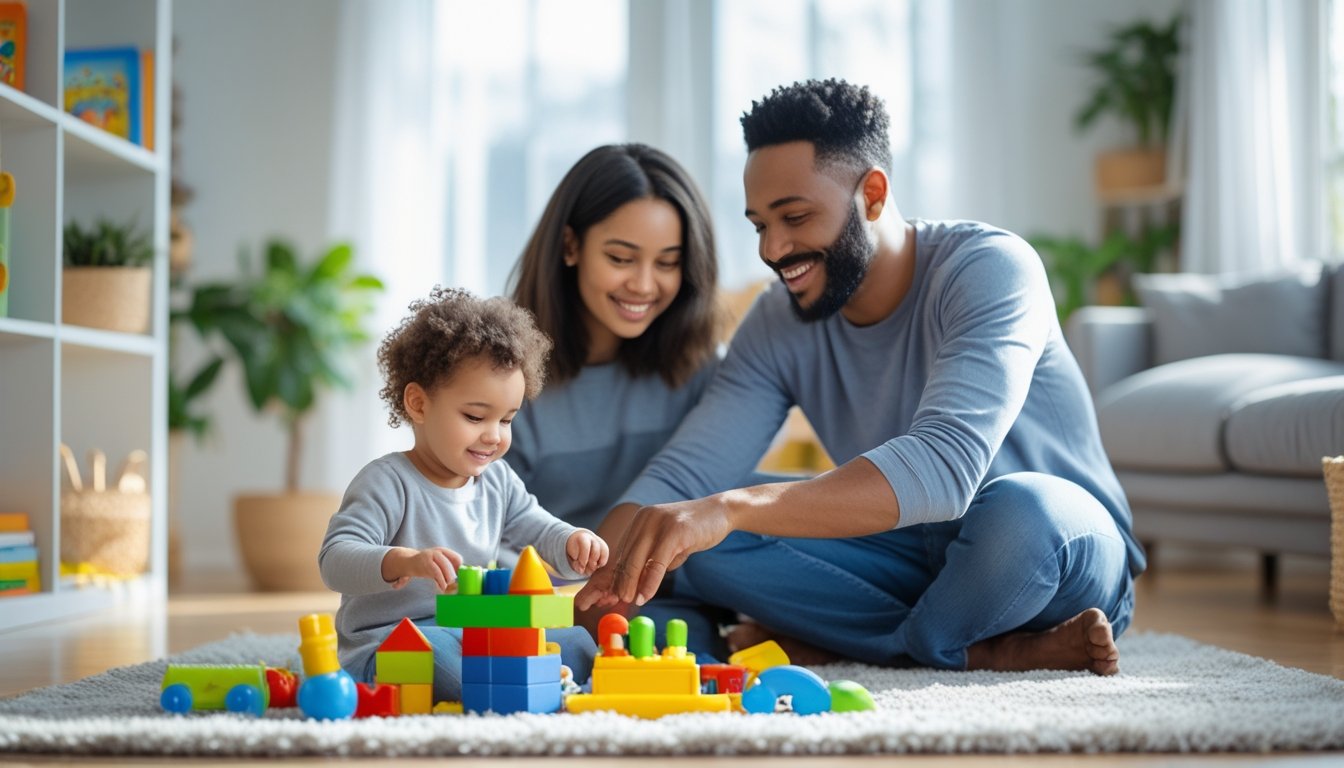
Fostering healthy child development involves adopting strategies that encourage independence, social skills, and effective communication. Our focus will be on how we can implement positive parenting through everyday practices, supporting cognitive and emotional growth in children.
Promoting Self-Regulation and Independence
Encouraging independence and self-regulation plays a pivotal role in child development. We can start by providing age-appropriate expectations that challenge while being attainable, allowing children to gain self-confidence. Positive reinforcement is crucial; praising efforts rather than just outcomes helps build resilience.
To aid self-regulation, we can introduce self-regulation techniques such as deep breathing and mindfulness exercises. These methods help children manage emotions and reduce impulsive actions. Engaging them in simple decision-making tasks, like choosing their attire or snack, can also foster self-reliance and empower them to make responsible choices as they grow.
Building Social Skills and Empathy
Social skills and empathy are key to forming positive relationships. One effective method is through free play, where children interact and learn naturally about sharing, collaboration, and conflict resolution. We can facilitate group activities that require teamwork, nurturing their ability to work with others.
Developing empathy can be encouraged by reading stories together that highlight diverse perspectives, prompting discussions about feelings and motives. Role-playing scenarios can further enhance their empathy by allowing them to experience different viewpoints. These practices contribute significantly to their social and emotional well-being, ensuring well-rounded growth.
Clear Communication and Age-Appropriate Conversations
Effective parent-child communication is foundational for a child's development. We must ensure our communication is clear, using age-appropriate conversations that match their cognitive level. This approach helps children better understand and express their thoughts and feelings.
We should encourage open dialogue by actively listening and providing feedback that validates their perspective. Engaging in family meetings can be a valuable tool for discussing daily experiences and emotions, fostering clear communication channels and building mutual respect.
Family Routines and Positive Family Dynamics
Establishing family routines helps create a sense of stability and security. Regular routines can include daily family dinners, which provide an opportunity for bonding and sharing experiences. Positive family dynamics are further strengthened through supportive practices like baby-wearing, co-sleeping, or breastfeeding on demand that accommodate the comfort and attachment needs of younger children.
Such routines help improve a child's cognitive development and emotional regulation. To maintain healthy dynamics, implementing positive discipline techniques—such as setting clear boundaries and using natural consequences—ensures that discipline is constructive rather than punitive. This approach promotes a nurturing environment conducive to healthy child development.
Frequently Asked Questions
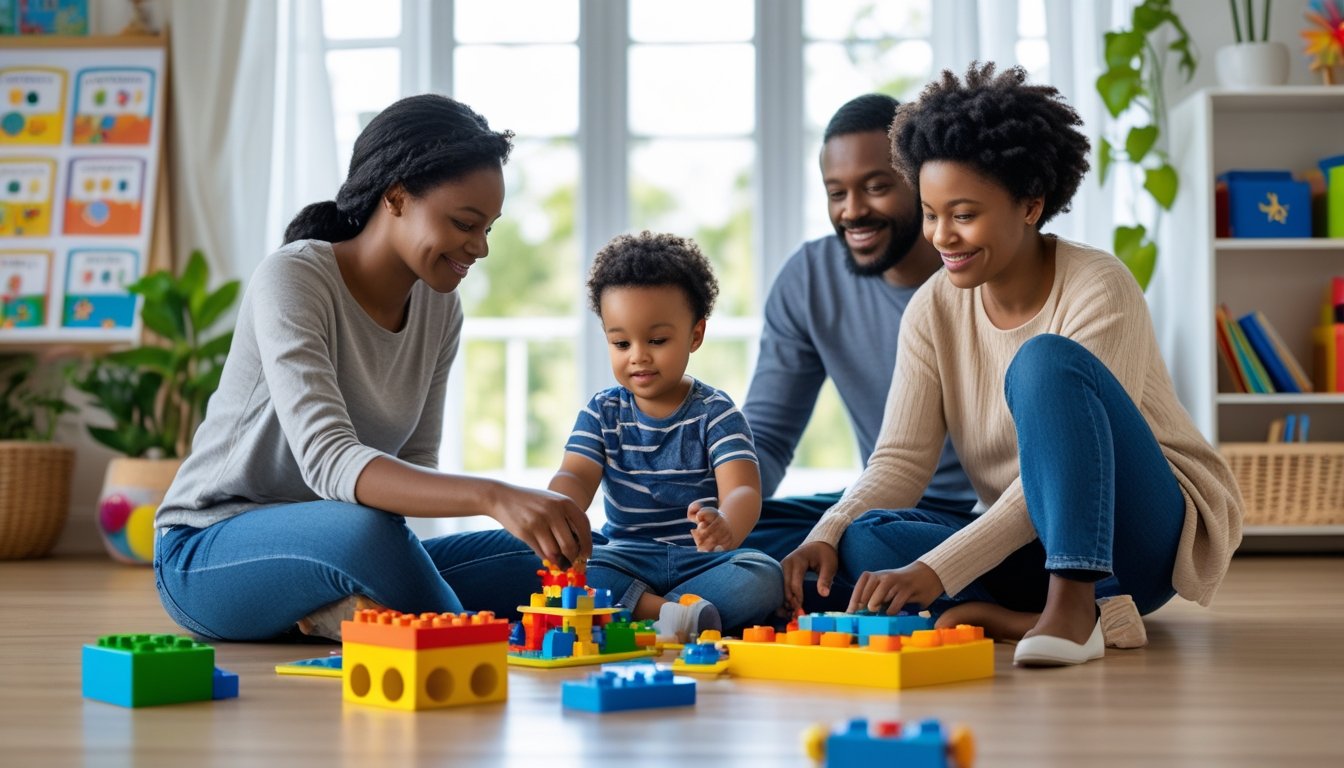
We address key inquiries about modern parenting methods and their effects on child development. From cognitive growth to building social and emotional skills, we provide insights supported by current research.
What are evidence-based strategies in modern parenting for enhancing a child's cognitive development?
Modern parenting emphasises techniques grounded in scientific research to bolster cognitive growth. Encouraging curiosity through playful learning and interactive activities is vital. Parents are advised to integrate problem-solving exercises and activities that challenge critical thinking, fostering a robust foundation for their child's cognitive abilities.
How does screen time impact a child's social and emotional growth in contemporary family settings?
The influence of screen time on a child's development is a nuanced topic in today's digital age. While screens can offer educational content, excessive use may impede face-to-face social interactions. It's crucial to establish healthy boundaries, ensuring screen time is balanced with activities that promote real-world social engagement and emotional intelligence.
What role does play have in the development of essential life skills for children today?
Play remains a cornerstone of child development, nurturing creativity and critical competencies. Through play, children learn negotiation, collaboration, problem-solving, and adaptability. Encouraging both structured and unstructured playtime allows children to explore their interests and develop vital life skills naturally.
How can parents best support the development of resilience and adaptability in their offspring?
Building resilience in children requires a supportive environment where mistakes are seen as learning opportunities. Encouraging open dialogue about feelings and challenges helps children develop adaptability. Teaching coping strategies and setting realistic expectations are key practices that equip children to face adversities with confidence.
What are the latest approaches to fostering effective communication and empathy in children?
Modern strategies for enhancing communication and empathy in children focus on active listening and emotional coaching. Engaging in regular conversations about feelings and facilitating empathetic behaviours like sharing and volunteering cultivate these traits. Role-playing scenarios are also effective for practising empathic responses.
How do modern dietary habits influence childhood development and behaviour?
Diet profoundly affects a child's growth and behavioural patterns. A balanced diet rich in nutrients such as omega-3 fatty acids and vitamins supports cognitive function and emotional stability. Parents are encouraged to monitor dietary habits closely, ensuring that children receive adequate nutrition to support overall development.