
Late updated: 07 Jan 2026 14:01
Written by:
Exploring British School Holiday Traditions: A Cultural Insight
Exploring British school holiday traditions offers us a fascinating glimpse into the unique ways families and communities celebrate throughout the year. From lively pancake races on Shrove Tuesday to the vibrant parades during Notting Hill Carnival, there is a myriad of customs for us to experience and enjoy. These traditions not only provide entertainment but also play an important role in passing down cultural values and fostering community spirit.
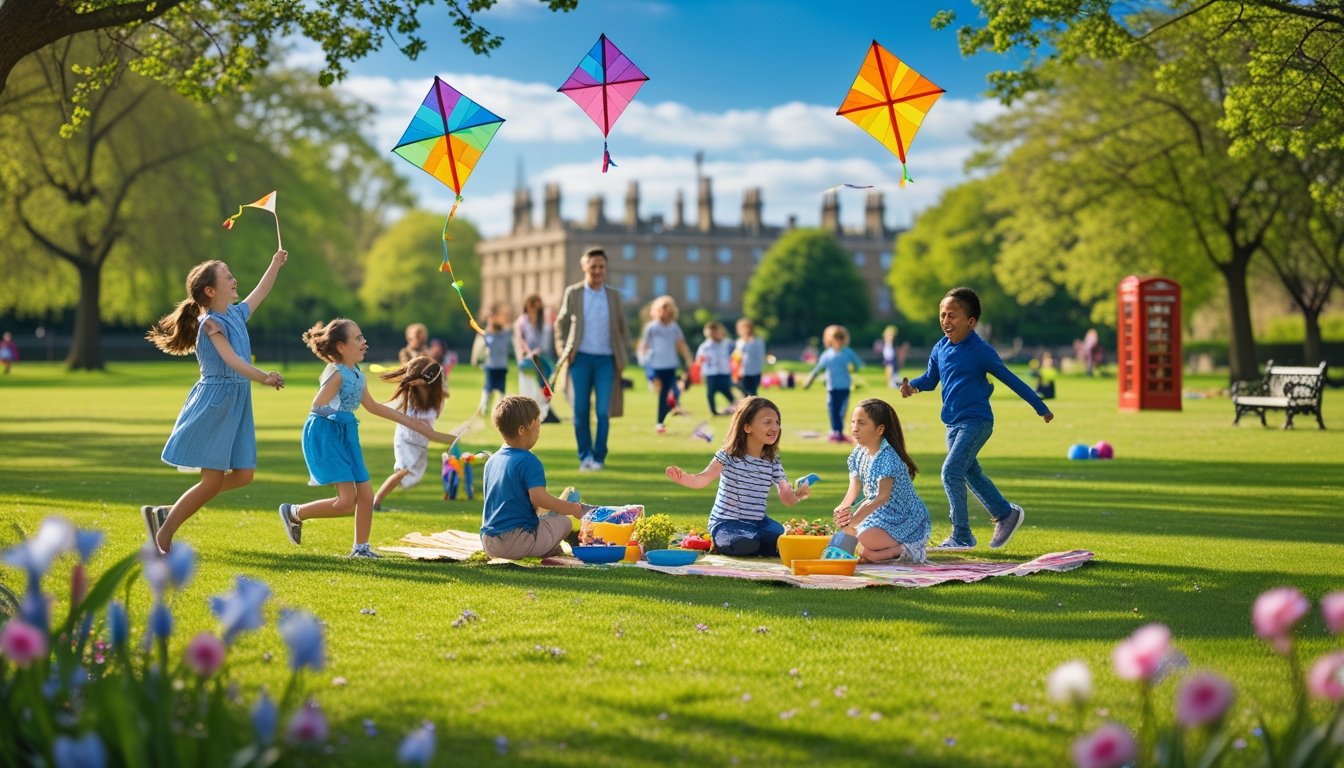
Our school holidays in the UK are more than just a break from studying; they are opportunities for cultural immersion and family bonding. During the summer holidays, many of us engage in festivals that showcase local history and artistry. These events allow children and adults alike to participate in activities that strengthen ties with our heritage.
Winter celebrations bring warmth and cheer with popular customs such as pantomime performances during Christmas. These theatrical productions blend humour and storytelling, captivating audiences of all ages. Through diving into these holiday traditions, we gain a deeper appreciation of the social fabric that defines British culture.
Key Takeaways
- British school holidays feature vibrant cultural traditions.
- Holiday activities foster community and family connections.
- Traditions provide insights into British cultural values.
Major British School Holiday Traditions
British school holidays come alive with unique traditions, each steeped in history and cultural significance. Many of these customs are tied to specific holidays, creating memorable experiences for families and communities alike.
Christmas and Boxing Day Customs
Christmas in Britain is a time of warmth and celebration, with traditions centered around family gatherings and festive meals. One of the most eagerly anticipated aspects is the decoration of the Christmas tree, often adorned with twinkling lights and colourful baubles. Families typically enjoy a full English breakfast before engaging in festive preparations. Christmas carols fill the air as we come together to embrace the spirit of the season. On Christmas Eve, some of us might indulge in a cosy afternoon with a cup of mulled wine. The Christmas dinner usually features a delicious spread, including Yorkshire pudding, roast turkey, and an assortment of vegetables. Mince pies and Christmas pudding are essential desserts. The festivities continue into Boxing Day, synonymous with sports events and Boxing Day sales, offering a chance to unwind and explore.
Easter Celebrations and Symbolism
Easter is a significant cultural and religious event, representing renewal and rebirth, marked by various traditions. The Easter egg hunt is a delightful activity, where children eagerly search for hidden chocolate eggs in gardens and parks. Many of us enjoy preparing and eating hot cross buns during Lent, a period leading up to Easter. These sweet, spiced buns are often shared on Good Friday. Easter Sunday is reserved for attending church services celebrating the resurrection, followed by a festive Sunday roast. Families often come together for this meal, sharing stories and laughter. The celebration continues on Easter Monday, a public holiday that provides a much-needed break before returning to routine.
Bonfire Night: Remembering Guy Fawkes
Bonfire Night is a unique British tradition commemorating the foiled Gunpowder Plot of 1605, led by Guy Fawkes. Celebrated on the 5th of November, this event is marked by vibrant fireworks displays and roaring bonfires. Communities often gather in parks or open fields to watch the vibrant display of colours that light up the night sky. Effigies of Guy Fawkes are sometimes burnt on these fires, a symbolic gesture reminding us of history. Traditional treats such as toffee apples are commonly enjoyed during these festivities. The tradition of Bonfire Night serves as a reminder of the past while bringing communities together in a shared celebration.
New Year’s Eve and Seasonal Festivities
The arrival of the New Year is met with joy and anticipation. Festivities typically commence on New Year’s Eve, accompanied by music and gatherings. As midnight approaches, we gather to sing Auld Lang Syne, a traditional song to bid farewell to the past year and welcome the new one. Fireworks often illuminate the night sky, marking the transition in a spectacular fashion. Many of us also observe a two-minute silence on New Year’s Day, reflecting on the year gone by and setting intentions for the year ahead. Celebrations might include a traditional meal, such as a hearty Sunday roast or a sumptuous afternoon tea, allowing families to come together and savour the moment.
Cultural, Seasonal, and Regional Traditions
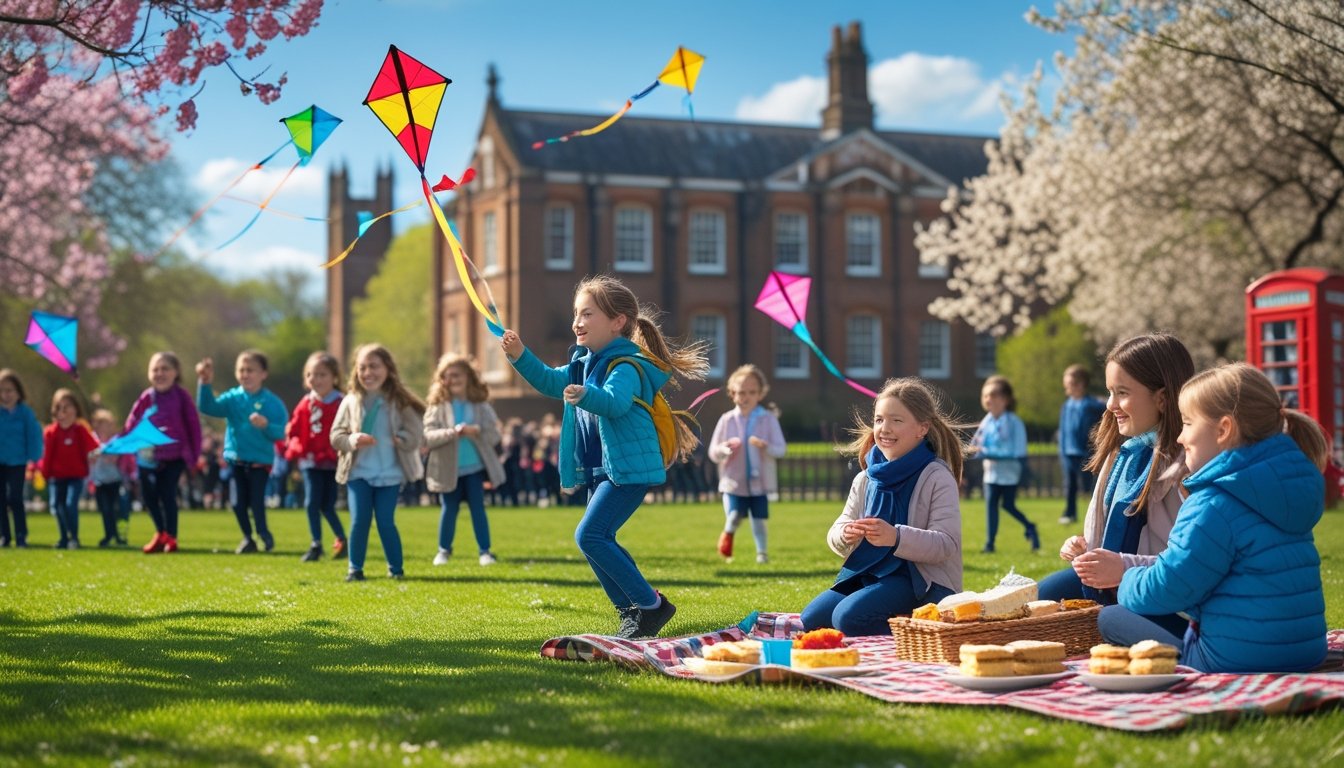
In this section, we explore various traditions associated with British school holidays, focusing on how these cultural and seasonal practices enrich students’ experiences. These traditions offer insights into the rich tapestry of British customs, celebrating national pride and regional diversity.
May Day and Spring Celebrations
May Day marks the arrival of spring across the UK, celebrated with unique traditions such as maypole dancing. The maypole, traditionally decorated with colourful ribbons, is a focal point during the festivities, where children and adults alike joyfully weave around the pole in intricate patterns. Morris dancing, featuring dancers in traditional costumes with bells and sticks, is also a common sight, especially in villages steeped in these age-old customs. This celebration honours the earth's renewal and reflects our strong connection to seasonal change. In some areas, the day is linked to St. George, England's patron saint, adding a layer of national pride with events that showcase the iconic red rose, a symbol associated with him.
British Summer Traditions and Festivals
The British summer bursts with festivals and events that are both lively and memorable. The Spring Bank Holiday and Whit Monday often signal the start of this vibrant period. During the Summer Bank Holiday, communities come alive with fairs, music festivals, and outdoor gatherings. It's a time when family gatherings and communal activities like picnics become central, often featuring traditional treats like the ever-popular fish and chips. Local events frequently highlight regional customs, offering visitors and residents alike a taste of diverse British culture. These festivals not only provide entertainment but are also key in maintaining cultural continuity, allowing young people to engage with the traditions of their region.
Cultural Diversity: Notting Hill Carnival and Beyond
Notting Hill Carnival stands as a testament to the cultural diversity within the UK, celebrating Caribbean culture with flair and exuberance. Held annually in London, this carnival features vibrant costumes, dynamic music, and the spirited sound of steel bands. It’s a significant event that symbolises inclusivity and multiculturalism, vital aspects of modern British culture. Beyond the carnival, local festivities across the UK embrace the rich tapestry of cultures, from Scottish highland games to Welsh Eisteddfod. These events collectively highlight the importance of cultural festivities in our communities, reminding us of the diverse heritage that shapes our collective identity.
Frequently Asked Questions
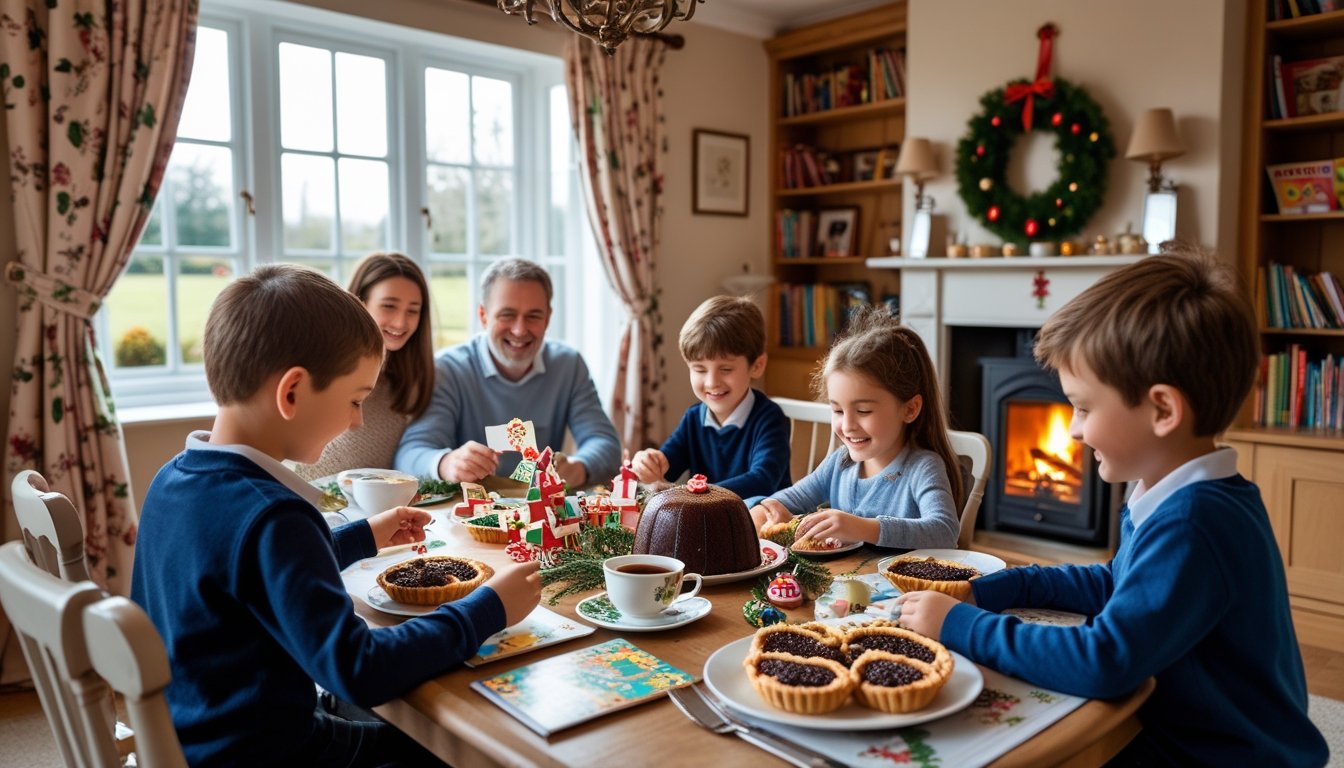
British school holidays are rich in tradition, offering a variety of engaging activities and celebrations. These include popular pastimes during breaks and rich cultural festivities like Easter, May Day, and Christmas.
What are the most common activities during school holidays in the UK?
During school holidays, children in the UK often engage in activities such as visiting local parks, museums, and recreational centres. Families might plan day trips to historical sites and enjoy outdoor pursuits. Theatre outings and attending workshops or summer camps are also popular.
How do British families traditionally celebrate Easter break with their children?
Easter in the UK typically involves egg hunts, which are a fun activity for children. Families often attend church services and share special meals, with roast lamb being a common dish. Decorating eggs and participating in community events fill this time with joy.
What is the significance of May Day and how is it observed in British schools?
May Day marks the beginning of summer and is celebrated with dancing around the Maypole, a tradition seen in many schools. Students often participate in making flower crowns and partaking in traditional dance performances. This celebration is rooted in history and brings communities together.
Are there specific customs followed during the half-term breaks in the UK?
Half-term breaks often provide opportunities for short family holidays. Schools might organise clubs or sports activities during this time. The break offers a chance for students to relax or catch up on studies, depending on individual or family preferences.
How is the Christmas holiday season typically marked in British educational institutions?
In schools, the Christmas season is marked by nativity plays, Christmas fairs, and carol concerts. Classrooms are often decorated with festive themes, and many schools host Christmas parties. These activities contribute to the festive atmosphere and community spirit.
What distinct events or celebrations are held during the summer holidays for UK students?
The long summer break allows for various festivals and local events. Students might attend music and arts festivals with their families. Schools often end the year with a celebration, which could include sporting events or a school fête, providing a memorable end to the academic year.