
Late updated: 30 Nov 2025 09:11
Written by:
The Importance Of Cultural Education For Children: Fostering Global Awareness
Cultural education plays a pivotal role in children's development, offering them the tools to thrive in a complex, interconnected world. As our society becomes increasingly diverse, understanding and appreciating different cultures is essential. Cultural education helps children develop empathy and respect for others, equipping them to engage confidently in a multicultural environment.
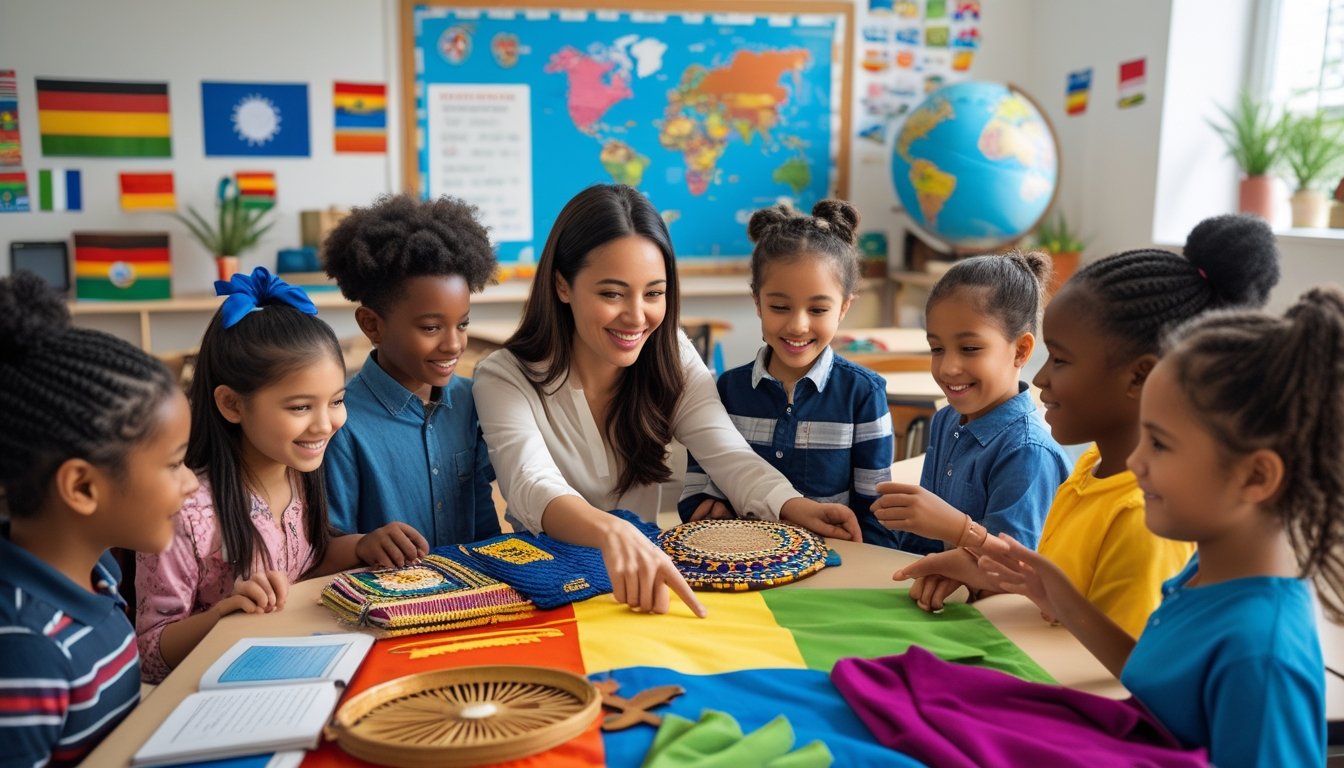
By integrating cultural education into children's lives, we foster curiosity and openness. Children exposed to cultural diversity from a young age often demonstrate enhanced social and emotional skills, essential for navigating various social contexts. Through this exposure, children learn to value differences, laying the groundwork for a more inclusive society.
The exploration of different traditions and histories enriches children's learning experiences. It allows them to form connections with their cultural heritage while appreciating the richness of other cultures. Such a foundation not only enhances their educational journey but also prepares them for future challenges in an ever-evolving world.
Key Takeaways
- Cultural education develops empathy and respect.
- It enhances social and emotional skills.
- Children build connections with their heritage and others.
Core Benefits of Cultural Education for Children
Cultural education enriches the lives of children by promoting empathy and emotional intelligence, improving their social and language abilities, and enhancing cognitive development and adaptability. It shapes young minds, making it easier for them to navigate an increasingly interconnected world.
Building Empathy and Emotional Intelligence
Through cultural education, children learn to recognise and appreciate the feelings and perspectives of those from different cultures. This exposure is crucial for developing empathy, as it encourages children to see the world through lenses other than their own. By understanding diverse customs and traditions, they cultivate emotional intelligence, allowing them to respond appropriately and sensitively to a variety of social situations.
Role-playing activities or interactive storytelling can be particularly effective in building these skills. By engaging directly with cultural narratives, children gain insights into diverse emotional landscapes, strengthening their capacity for empathy. As they learn to identify and manage a range of emotions, they become more adept at building supportive relationships, both within and outside their cultural circles.
Enhancing Social and Language Skills
Cultural education plays a pivotal role in shaping how children communicate and interact with others. It equips them with the social skills needed to engage confidently with peers from varied backgrounds. The interplay of different languages and dialects within cultural education also boosts their language skills, expanding their vocabulary and improving their ability to express themselves with clarity.
Activities like multicultural group work or language exchange programmes can significantly enhance these competencies. Children exposed to varied social settings develop an intuitive understanding of non-verbal cues, gestures, and context-sensitive communication. This understanding is vital, offering them a comprehensive toolkit for navigating complex interpersonal dynamics throughout their lives.
Fostering Cognitive Development and Adaptability
Exposure to cultural education enriches cognitive development by encouraging diverse thinking patterns. Children learn to approach problems from multiple angles, an essential skill in today’s fast-changing world. Cultural education fosters adaptability, allowing children to adjust quickly to new environments and ideas without discomfort.
This adaptability is nurtured through activities involving problem-solving or creative collaboration, which require children to integrate information from different cultural contexts. As they become accustomed to cultural diversity in their learning environments, their brains develop greater flexibility. This flexibility aids in quick adaptation to changes, preparing them for an unpredictable future with confidence and agility.
Fostering Cultural Awareness and Heritage in a Diverse World
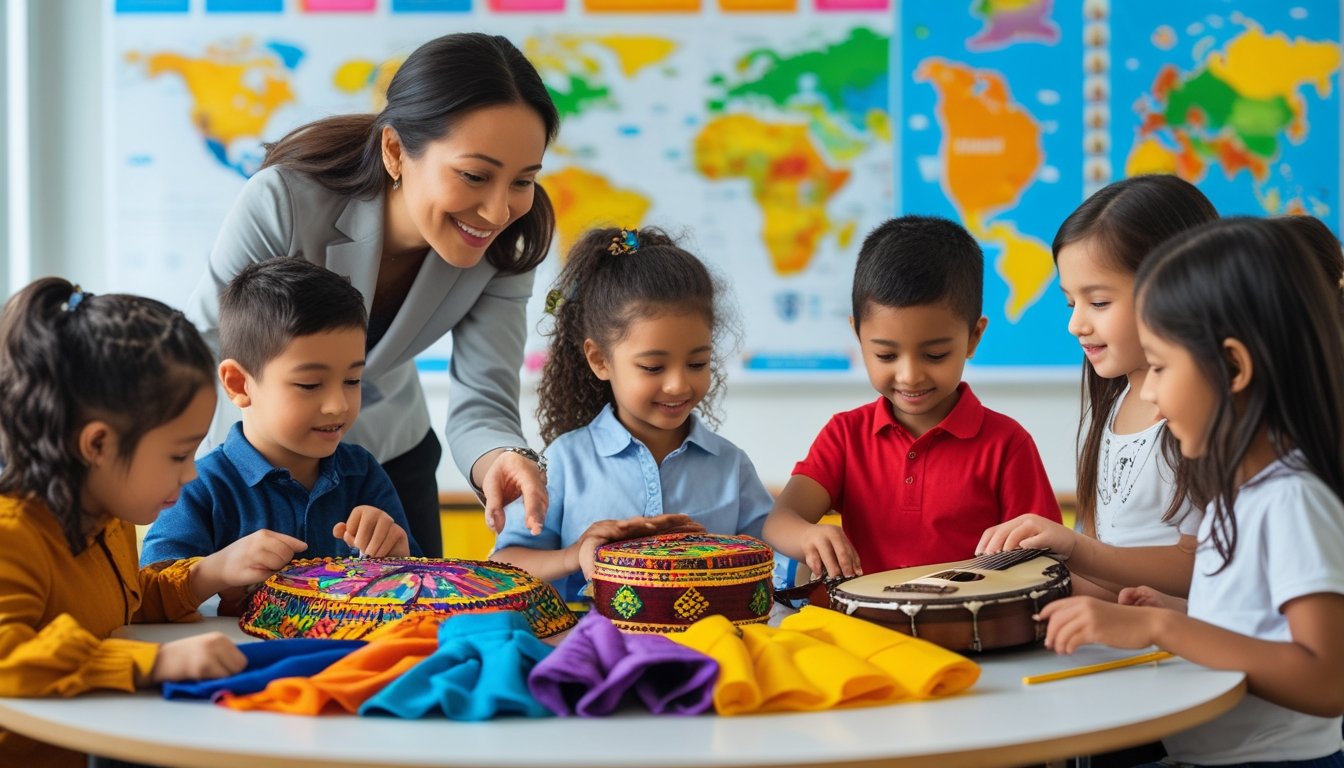
We live in a multicultural society where fostering cultural awareness and preserving heritage are essential. By promoting inclusivity and celebrating our differences, we can build a richer community. Exploring cultural diversity and recognising our shared human experience opens doors to greater understanding and connection.
Promoting Cultural Competence and Inclusivity
Cultural awareness and competence are vital in an interconnected world. As educators and families, we must instil these values in children to encourage appreciation of diverse perspectives. Developing cultural competence involves understanding and respecting the cultural norms, values, and practices of others.
Facilitating inclusive discussions in classrooms allows for the exchange of ideas and beliefs. This interaction not only enriches students' experiences but also builds an inclusive society where everyone feels valued. Professional development for educators in cultural awareness is crucial, enabling them to guide children effectively in navigating a globalised world.
Strengthening Identity Through Heritage and Storytelling
Our cultural heritage is a foundation for personal identity and community. Storytelling offers a powerful method to connect with our roots. By sharing stories from diverse backgrounds, children learn to value their own heritage while respecting others'.
Narratives passed down through generations can be explored in educational settings, strengthening bonds with family histories. Storytelling aids in recognising common threads that bind us together in our rich tapestry of cultures. This collective memory fosters unity and reinforces our shared human experience, deepening our understanding of diversity.
Practical Approaches: Celebrating Festivals and Community Engagement
Engaging with cultural festivals is one practical way to promote diversity and foster community bonds. Events such as Diwali, Holi, and Lunar New Year provide opportunities to celebrate and learn from each other. These celebrations can be integrated into school curriculums and community activities.
By participating in various cultural festivities, we create spaces for dialogue and understanding. Community engagement through these events fosters respect and appreciation for multicultural traditions. Emphasising inclusive practices and collective participation strengthens community ties and reinforces cultural diversity as a collective strength that benefits society as a whole.
Frequently Asked Questions
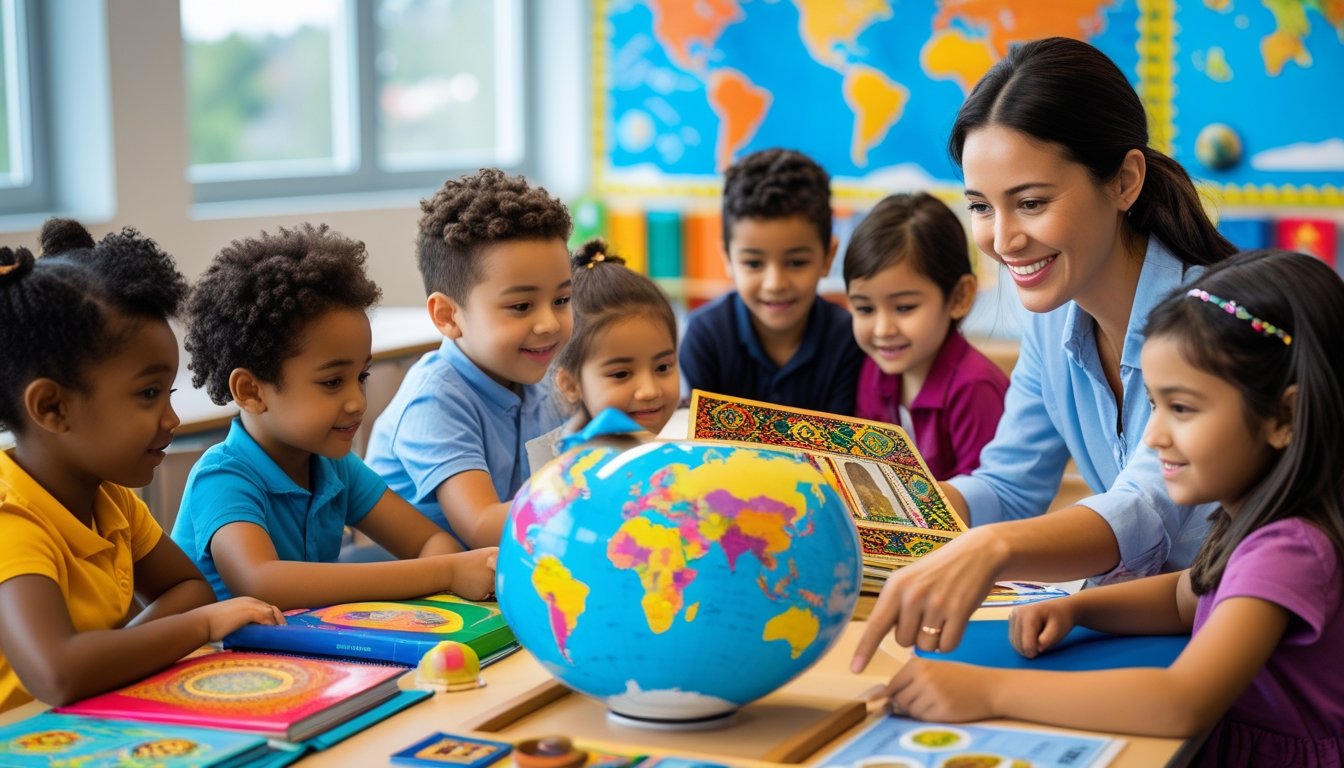
Our exploration of cultural education highlights its vital role in nurturing empathy, social skills, and an appreciation for diversity among children. It provides practical strategies for fostering an inclusive environment both at home and in educational settings.
How does cultural education contribute to a child's development?
Cultural education enriches a child's cognitive and social skills by exposing them to diverse perspectives. It fosters a sense of belonging and respect for others, nurturing empathy and cooperation among peers. This diverse exposure often leads to better problem-solving skills and adaptability in various situations.
What are the key components of introducing cultural education in early childhood?
Introducing cultural education involves integrating diverse cultural materials and activities that reflect various traditions and customs. This can include storytelling, music, and art projects that celebrate differences and similarities among cultures. It's essential to create an environment where children feel comfortable sharing and exploring different cultural experiences.
What role do educational institutions play in promoting cultural awareness among children?
Educational institutions play a pivotal role by incorporating culturally inclusive curricula and creating environments where diversity is celebrated. Teachers can adopt culturally responsive teaching practices that honour students' backgrounds and encourage open dialogue about different cultures. Schools can also host cultural events and workshops to engage students and their families.
How can parents and guardians foster cultural understanding at home?
Parents and guardians can create a culturally rich environment by introducing children to books, music, and films from various cultures. Encouraging discussions about cultural diversity and participating in cultural events helps develop a child's empathy and openness to different worldviews. It's also beneficial to model respectful interactions with people from diverse backgrounds.
In what ways does cultural education impact social skills and empathy in children?
Cultural education enhances social skills by teaching children to communicate and collaborate with their peers from diverse backgrounds. Understanding different cultural perspectives fosters empathy, as children learn to appreciate the feelings and viewpoints of others. These skills are crucial for building meaningful relationships and functioning effectively in a multicultural society.
Why is it important to incorporate diverse cultures into school curricula?
Incorporating diverse cultures into school curricula ensures that children gain a holistic understanding of the world. It prepares them to thrive in a globalised society by broadening their horizons and breaking down cultural stereotypes. These curricula help cultivate an inclusive mindset, where differences are valued and celebrated.