
Late updated: 03 Dec 2025 10:12
Written by:
Exploring Benefits Of Mindful Art Activities For Children: Enhancing Creativity and Wellbeing
In today’s fast-paced world, children face numerous challenges, from heightened academic pressures to the demands of digital connectivity. How can we help them cultivate balance and emotional health? Mindful art activities offer a unique way to nurture creativity, focus, and emotional resilience in children. By combining elements of mindfulness with artistic expression, children can learn to channel their emotions and develop key skills that support their overall wellbeing.
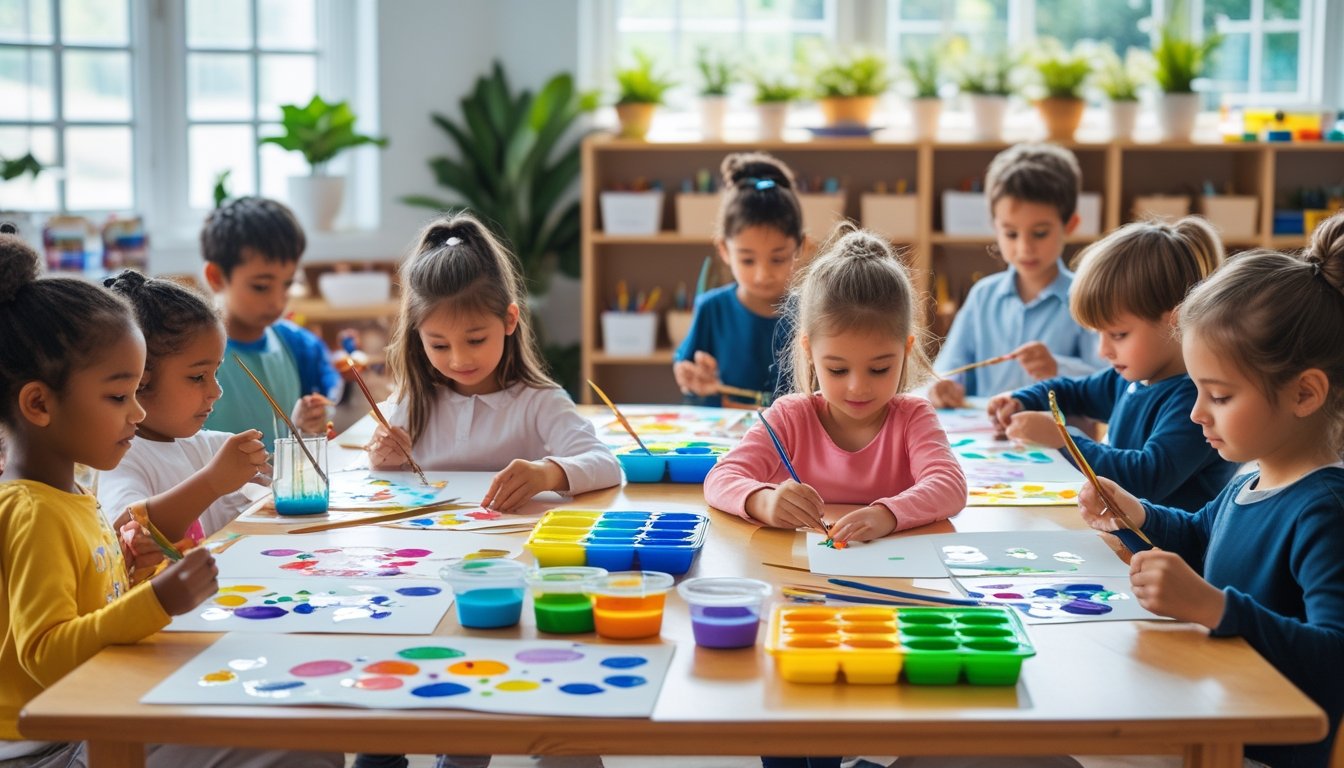
Mindful art encourages children to be present, promoting relaxation and reducing stress. Activities like Zentangle, mandalas, and mindful colouring allow children to explore their emotions and improve concentration while having fun. By introducing children to these practices, we not only enhance their creative abilities but also support their mental and emotional growth.
Parents and educators are increasingly turning to mindful art activities as tools for holistic education. As we incorporate these practices into daily routines, we can foster environments that celebrate creativity and mindfulness, equipping children with skills for a healthier and more balanced life.
Key Takeaways
- Mindful art boosts children's creativity and emotional health.
- Activities such as colouring and Zentangle improve focus and relaxation.
- Incorporating these practices supports holistic childhood development.
Key Benefits Of Mindful Art Activities For Children
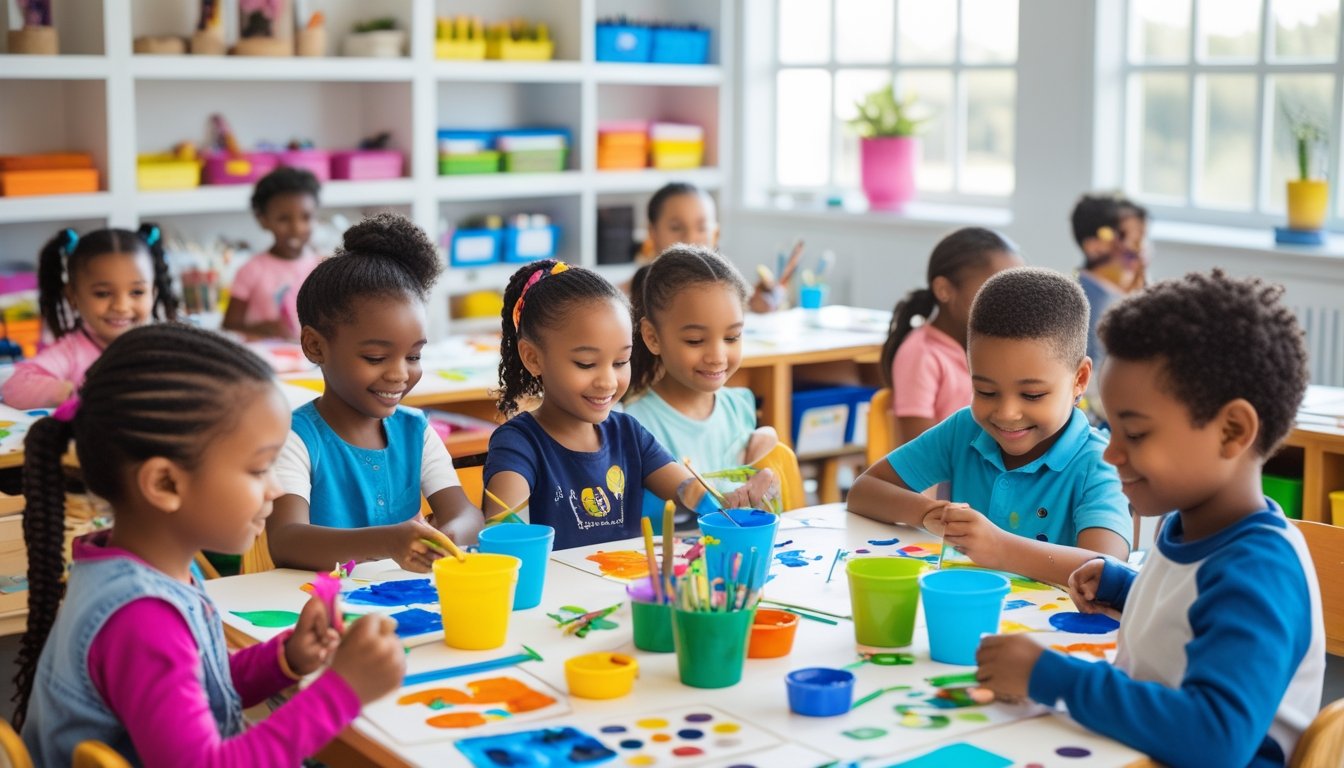
Mindful art activities offer children a unique blend of emotional, creative, and calming benefits. By engaging in these activities, children can develop important life skills related to self-awareness, relaxation, and expressive abilities.
Enhancing Emotional Regulation And Self-Awareness
Incorporating mindfulness into art activities encourages children to become more aware of their emotions and thoughts. As they create, they learn to express feelings that might be difficult to articulate verbally. This process not only helps with identifying emotions but also enhances emotional intelligence. Through mindful drawing or painting, for example, children can explore different emotional states in a safe, creative space. Such activities promote self-reflection and help young minds to better understand the nuances of their internal experiences. Additionally, mindful art can serve as a non-confrontational method to discuss personal and social issues, paving the way for improved communication of emotions.
Promoting Relaxation And Stress Reduction
Mindful art activities are effective tools for relaxation and stress management among children. Activities like colouring mandalas or creating simple gratitude doodles can be calming and therapeutic. The repetitive and focused nature of these tasks helps minimise stress by diverting attention away from unsettling thoughts or situations. This kind of engagement helps lower heart rates and brings a sense of calm. The focus required during these activities helps cultivate a peaceful mind, allowing children to unwind and release tension. As they navigate the creative process, children build a repertoire of strategies to handle anxiety and stress in healthier ways.
Supporting Creativity And Expressive Skills
Mindful art fosters creativity by encouraging children to experiment with different materials and techniques, enhancing their problem-solving skills. By focusing on the process rather than the outcome, children learn to express themselves freely without fear of criticism. This freedom encourages experimentation and innovation, fostering an environment where creativity can thrive. These activities also allow children to develop fine motor skills, as they manipulate various art supplies to bring their imaginative ideas to life. As they hone their skills, children gain confidence in their creative abilities, which can be applied to other areas of learning and development, promoting a more balanced education.
Examples And Techniques Of Mindful Art Activities
Mindful art activities offer children a unique way to explore creativity while fostering a sense of calm and focus. Techniques such as drawing, painting, and crafting empower young minds to engage with the present moment. These practices encourage self-expression and help cultivate mindfulness in everyday life.
Drawing And Painting For Present Moment Focus
Incorporating drawing and painting in mindfulness activities helps children focus on the present moment. When children draw, they concentrate on each stroke, line, and colour choice, which enhances their ability to stay grounded and attentive. Using simple materials like pencils, crayons, or watercolours, kids can explore themes from their imagination or recreate scenes from nature.
Watercolour painting offers gentle, fluid techniques that encourage relaxation. By guiding children to notice how colours blend and flow, they can immerse themselves in the experience. Encouraging them to draw or paint based on their emotions can also be a powerful tool for understanding and processing feelings. This practice can dramatically improve their emotional intelligence and self-awareness.
Creating Mandalas And Drip Painting
Mandalas provide a structured form of creative expression that promotes focus and calm. By drawing repeating patterns within a circle, children engage with symmetry and balance. This meditative activity encourages patience and enhances concentration, as each part of the mandala interconnects to form a peaceful whole. The process of creating mandalas can be soothing, and children often find joy in the intricate designs they create.
Drip painting, while less structured, allows for free expression and experimentation with form and colour. Children can use droppers, brushes, or their fingers to let paint flow freely onto a canvas or paper. This art technique encourages spontaneity and reduces the fear of making mistakes, fostering creativity. Through these activities, children can learn to appreciate beauty in randomness and embrace imperfections.
Engaging With Breathing Beads And Sensory Crafts
Breathing beads are a tactile way to connect breath with mindfulness. Children thread beads onto a string, with each bead representing a deep breath in and out. This rhythmic activity naturally aligns with meditation, guiding them to focus on their breathing patterns. As they repeat the process, they cultivate patience and awareness, resulting in a calming effect on their minds.
For sensory crafts, items like glitter jars and textured materials stimulate the senses and support emotional regulation. Creating a Mindful Glitter Jar involves mixing water, glitter, and glue. When shaken, it becomes a visual cue for centring the mind. Children watch the glitter settle, mirroring the slowing of their thoughts. Sensory crafts provide a hands-on approach to mindfulness and can be an enjoyable, multi-sensory experience.
Sculpting, Writing, And Musical Exploration
Sculpting with clay or playdough offers children a tangible way to explore form and texture. The act of moulding materials with their hands connects them to the present, enhancing sensory feedback and fine motor skills. Sculpting encourages creativity and problem-solving as kids transform amorphous lumps into detailed figures or abstract forms.
Writing offers another dimension of mindfulness. Encouraging children to keep a journal or write poems allows them to reflect on their emotions and thoughts. Through writing, they learn to articulate feelings, fostering inner calm and self-acceptance.
Music, too, is a powerful mindfulness tool. Playing simple instruments or engaging in rhythmic activities supports listening skills and multi-sensory engagement. Whether through tapping drums, strumming a guitar, or singing, musical exploration helps children express emotions, strengthens their concentration, and boosts their mood.
Frequently Asked Questions
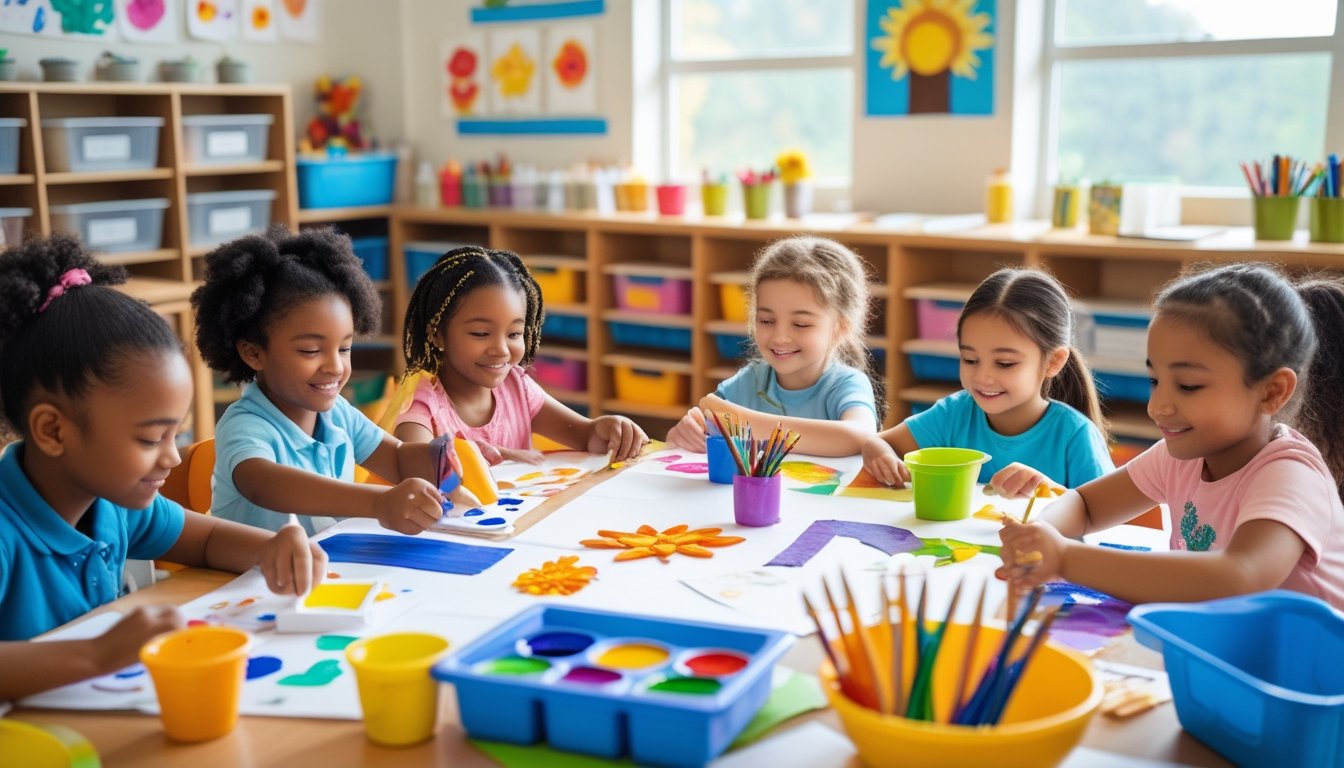
Mindful art activities provide a multifaceted approach to enhancing a child's development. Through engagement in these activities, children can experience emotional, cognitive, and social benefits that foster holistic growth.
How can engaging in mindful art activities boost a child's emotional well-being?
Children find a safe space to express feelings through mindful art. This allows them to process emotions and develop emotional literacy. Engaging in art can also promote a sense of calm and improve mood, making it a valuable tool for emotional management.
What are the cognitive advantages for children participating in mindful art exercises?
Participating in mindful art helps improve cognitive skills such as memory, focus, and problem-solving. By engaging in these activities, children train their attention and observation skills, which are essential across educational disciplines.
In what ways does mindful art contribute to a child's social development?
Mindful art often involves collaborative projects that foster teamwork and communication. Children enhance their social interactions and develop empathy as they learn to appreciate different perspectives through art.
Can regular practice of mindful art activities improve focus and attentiveness in children?
Yes, mindful art requires concentration, which can lead to increased focus over time. The practice of staying present in their art-making process helps children develop greater attention spans and attentiveness in daily activities.
How does the incorporation of mindful art support stress reduction in children?
Creating art mindfully can serve as a stress-relieving activity, allowing children to relax and unwind. The act of crafting or painting can diffuse pent-up emotions and anxiety, offering a therapeutic outlet for children to find tranquillity.
What age group benefits most from integrating mindful art into their routine, and how?
Children of all ages can benefit from mindful art, though its form and complexity should be age-appropriate. Younger children thrive with simple, guided activities, while older children may explore more intricate projects, benefiting through increased self-awareness and emotional maturity.